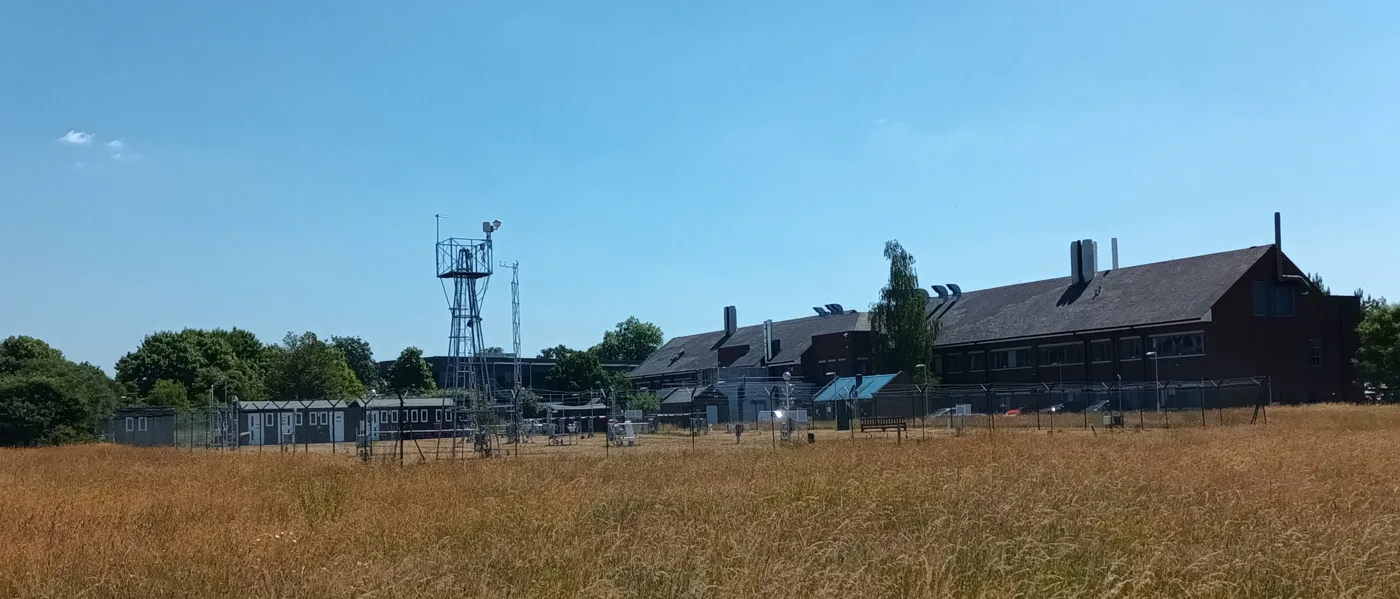

The night to 30 September never fell below 18.8C at the University of Reading, the warmest September night since 1949. The month tied third-warmest since 1908.
Reading has just had its warmest September night in 77 years. The temperature at the University of Reading’s observatory did not drop below 18.8C in the 24 hours to 9am on Wednesday 30 September.
That is the second-highest September minimum in a record that goes back to 1908. Only one September night has been warmer: 5 September 1949, when the minimum was 20.3C. The figures come from the university’s Department of Meteorology.
Why the timing stands out
A warm night in early September is not unusual. This one came on the last night of the month, when nights are normally much cooler.
“In our entire near 120-year record, no other autumn night after mid-September has ever been warmer than 17C,” said Dr Stephen Burt, of the university’s Department of Meteorology.
September as a whole
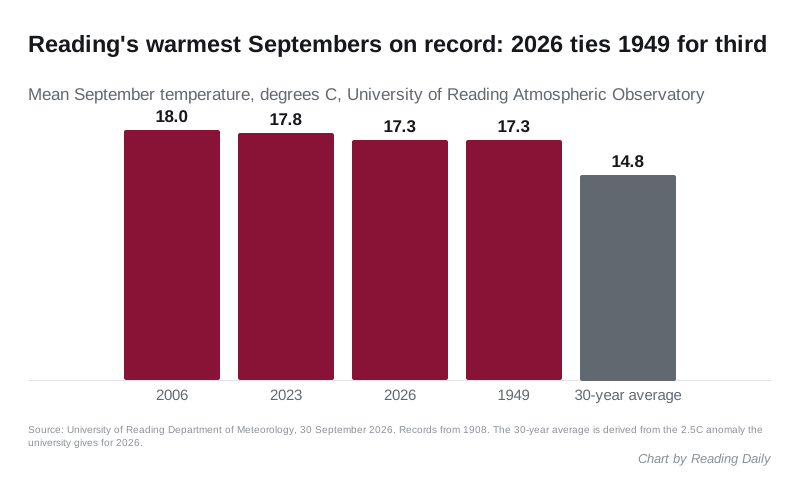
The month’s mean temperature was 17.3C. That is 2.5 degrees above the current 30-year average, according to Dr Burt.
It makes September 2026 the joint third-warmest September on the record, level with 1949. Only two Septembers have been warmer:
- 2006, with a mean of 18.0C
- 2023, with a mean of 17.8C
On course for the warmest year
This is the latest in a run of records at the observatory this year. Reading had its hottest summer since 1908, and 13 August was the hottest August day on record.
Dr Burt said 2026 is now very likely to be Reading’s warmest calendar year. Even if October, November and December are only average, 2026 would beat the previous record year, 2022, by 0.6 degrees in mean temperature.
That is a large margin. The previous four warmest years on the record are separated by just 0.11 degrees, he said.
Still short of rain
The warmth has come with very little rain. The observatory recorded:
- 17mm of rain in September to the morning of 30 September, about one-third of the monthly average
- 360mm for the year so far, almost 20% below average
Sunshine in September was close to average. Reading had already passed its average total for a whole year more than a month earlier.
What it means for you
- The dry spell is not over. September brought about one-third of its normal rainfall, in a year already almost 20% below average. Gardeners going into autumn should not count on the ground being as wet as usual.
- Expect more record talk before December. If the year finishes as Dr Burt expects, Reading will end 2026 with a new warmest-year record. We will report the final figures when the university publishes them in January.
- The university publishes its data. Past records, including the hottest days list, are on the Department of Meteorology’s weather data pages.
For practical help with the rest of the year, see our guides to Reading bin collection days and October half term in Reading.
Have your say