
Reading groups can bid for up to £7,500 from a £150,000 council fund until 13 November, with £250 and £500 micro grants too. Who can apply, and who won last year.
Voluntary and community groups in Reading can now bid for grants of up to £7,500. Reading Borough Council has opened this year’s Small Grants Fund, with £150,000 to share. The deadline is Friday 13 November.
For the first time there is also a separate Micro Grants scheme, offering £250 or £500 for very small projects. Both opened on 1 October, the council announced. Bidders will hear whether they were successful before Christmas.
Who can apply for a small grant
The council’s guidance for 2026/27 sets out the rules. Your organisation must:
- be a registered charity or another not-for-profit organisation
- have an annual income below £100,000
- have received less than £20,000 from the council in 2025/26
- spend the money on a project that benefits Reading residents
- not be asking to continue a project the fund paid for before
The fund is open to charities, community and faith groups, sports and arts groups, cultural organisations, schools, scouts and guides, and not-for-profit social enterprises. It is one bid per organisation. Individuals and businesses cannot apply.
What the money is for
This year the council wants bids that tackle inequality or discrimination. The guidance says every application should show how it improves people’s financial resilience. It should also support the council’s aims on reducing inequality or its anti-racism statement.
Grants can pay for:
- one-off local events
- minor start-up costs for a new idea
- equipment
- sessional costs
Part of the pot is kept for bids under £2,500, to help smaller activities. Bidders must show that what they plan is not already available locally. The money has to be spent within 12 months, with a report after six months and another at the end.
The new micro grants
Micro grants are for groups just getting started, testing an idea or growing an existing project. You choose £250 or £500. Unlike the main fund, individuals and informal groups can apply, and you do not need to be a registered organisation.
The money can cover materials, venue hire, promotion, artist or facilitator fees, transport, refreshments and access costs such as translation or BSL interpretation.
Check where you are before applying. The council’s press release describes micro grants as being for grassroots groups across Reading’s communities. But the micro grants page itself says it welcomes applications from people who live in or work with communities in Whitley and Church wards in south Reading. If your project is elsewhere in the borough, ask the funding officer before you spend time on a bid.
The two schemes are separate, with separate forms.
Who won last year
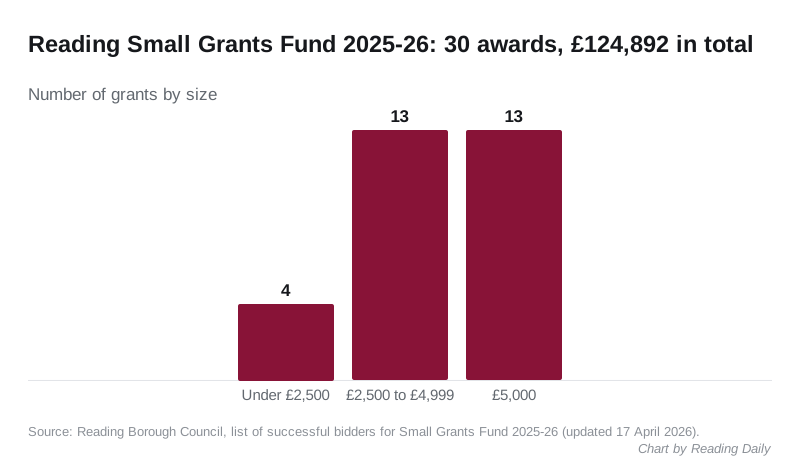
Last year’s round paid out £124,891.98 to 30 organisations, according to the council’s list of successful bidders for 2025-26. Eight of those grants were paid from the council’s Household Support budgets.
The largest award on the list was £5,000, which 13 groups received. The smallest was £1,500.
The winners give a good idea of what the fund backs. They included:
- 22nd Reading St Johns Scout group, £2,038.98 for a year-round youth archery range
- 9th Tilehurst Guides, £3,500 to help 24 girls go to an international camp in Windsor Great Park
- Becalm Foundation, £5,000 for a board game club for neurodivergent young people
- Green Ways, £4,620 to open its free “Waste Not” shop for longer
- Reading Male Voice Choir, £2,500 to get young people singing
- The Rising Sun Arts Centre, £4,660 for Zap Magazine, made by people with learning disabilities
The council also publishes example bid answers and a summary of lessons from past rounds.
What it means for you
- Deadline: Friday 13 November 2026 for both schemes.
- Small grants (up to £7,500): read the guidance, check the eligibility questions, then download the application form. The scoring matrix shows how bids are marked.
- Micro grants (£250 or £500): use the separate micro grant form.
- Help with a bid: contact Bikal Shrestha, the council’s funding officer, at bikal.shrestha@reading.gov.uk or on 0118 937 3324. The council says it can help people complete the micro grant form.
- Not eligible? Reading Voluntary Action runs a funding knowledge base listing other sources.
For more on how the council spends its money, see our guide to Reading council tax bands.
Have your say