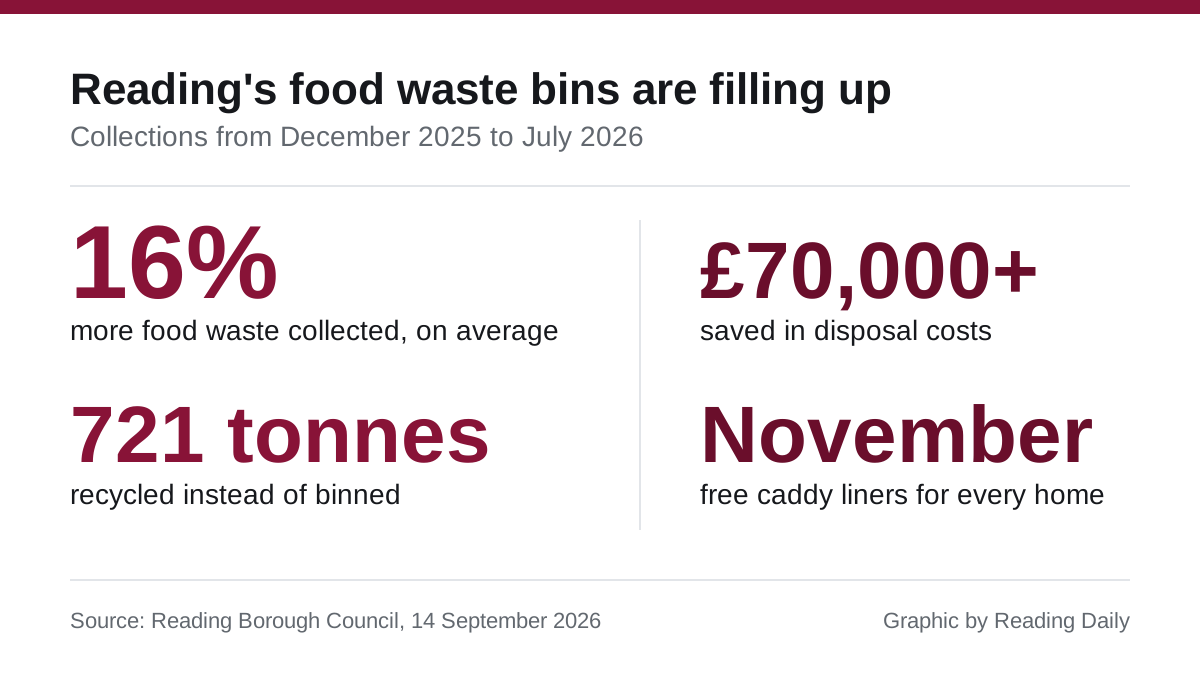

Reading households put 721 more tonnes of food in their caddies, saving the council over £70,000. Every home gets free liners in November. What goes in the bin.
Reading households are putting more food in their food waste bins. Reading Borough Council says it collected an average of 16% more food waste between December 2025 and July 2026. That is 721 extra tonnes recycled rather than thrown in the grey bin.
Every household will get a free delivery of food caddy liners in November. The council now wants residents to treat the grey household waste bin as a “last resort” (Reading Borough Council, 14 September 2026).
What the council says it has saved
The council gave three figures for the extra food waste:
- 721 tonnes more food waste collected and recycled
- more than £70,000 saved in disposal costs
- 508 tonnes of carbon dioxide saved
The announcement does not say which earlier period the 16% rise is measured against. It calls the figure an average.
For scale, the council’s own food waste page says food put in grey bins “costs Reading over £1m each year” (food waste collection).
Councillor Finn McGoldrick, the council’s lead for environmental services and community safety, said the rise over “the past six months or so is good news for the environment and the taxpayer”. He asked residents “to think twice before putting anything in their household waste bin”.
How Reading compares in Berkshire
The latest official figures run to March 2025, so they predate the rise the council is reporting. They show where Reading started from.
In 2024/25, Reading sent 49.4% of its household waste for reuse, recycling or composting. That puts it fourth of Berkshire’s six councils. Wokingham recycled 58.2% and Slough 27.4% (Defra, local authority collected waste statistics 2024/25).
Reading’s rate has been close to 50% for four years. It jumped from 36.1% in 2020/21 to 51.5% in 2021/22, then slipped back to 49.8% in 2023/24 and 49.4% in 2024/25.
The amount left in the grey bin also rose in the last year of figures. Each Reading household produced an average of 378.5kg of residual waste in 2024/25, up from 362.8kg the year before. Even so, only Wokingham, at 378.1kg, was lower in Berkshire.
What goes in your food waste bin
The council accepts all food waste in the caddy (food waste collection):
- plate scrapings, and raw or cooked meat and bones
- fruit and vegetable peelings
- mouldy or out of date food
- tea bags and coffee grounds
- dairy produce and egg shells
- pet food
- cooking oil, if it is in a sealed plastic bottle
Keep out any packaging, any other non-food item, and liquids such as milk.
What it means for you
You do not have to wait for November for liners. The council says you can line your caddy with old shopping bags, bread, cereal, crisp or salad bags, newspaper, pedal bin liners or compostable liners. Do not use black bin bags or food trays. You can also pick up one roll per household from a library or leisure centre. At the plant, all liners, compostable ones included, are taken out at the start and used to generate electricity.
Put the outside bin out by 6am on your usual collection day, next to whichever wheeled bin is due that week. Food waste goes weekly and is collected by a separate lorry, so it may be emptied at a different time.
Missing a bin or caddy? You can order a replacement or an extra food waste bin from the council, but only if your property is on the weekly food collection.
Our Reading bin collection days page has the full pattern for every bin, the bank holiday rule and what garden waste costs.
Have your say