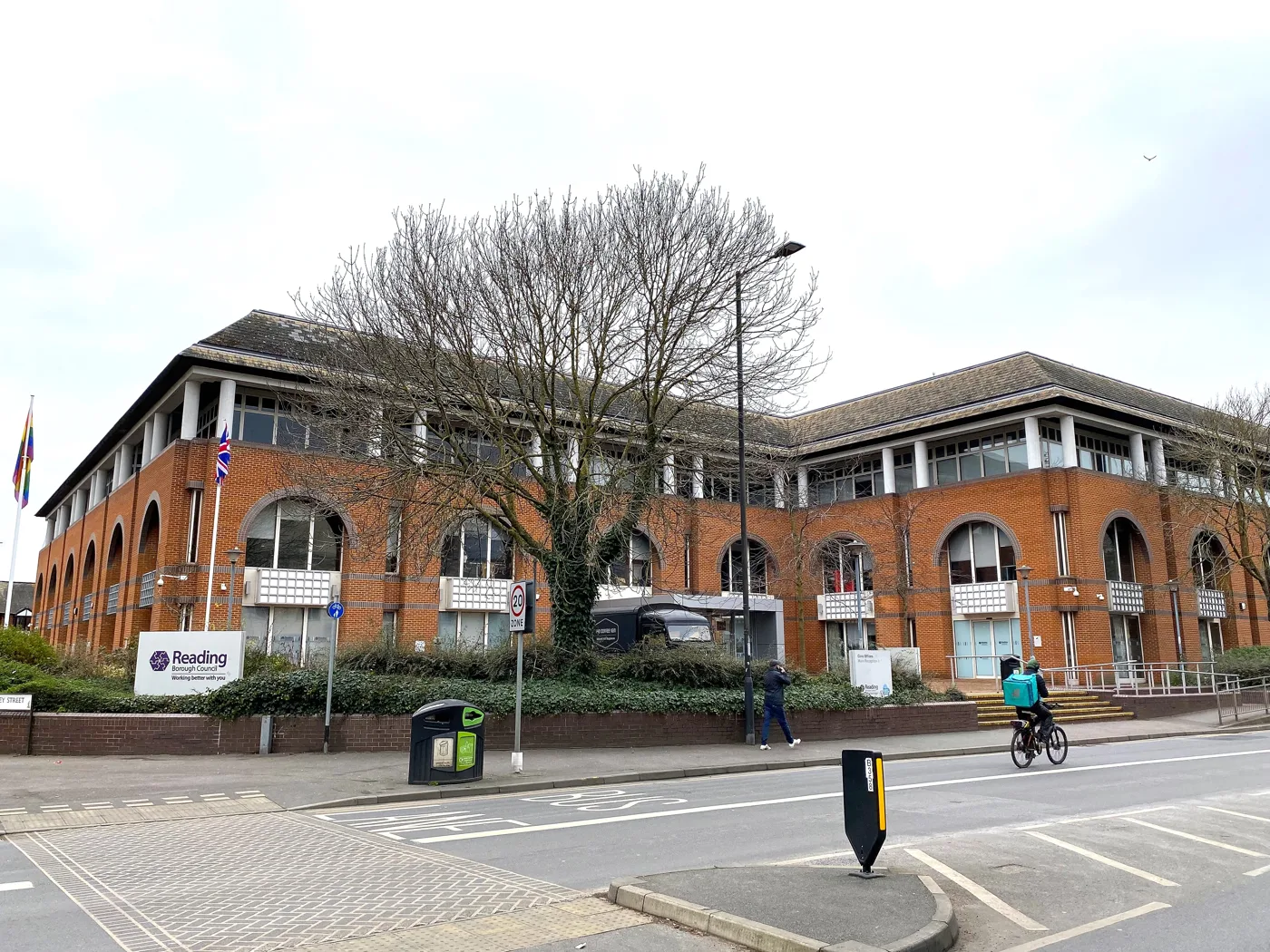

Reading councillors can no longer call a planning application in. Extensions and schemes under 10 homes go to officers; here is what still reaches committee.
Reading councillors can no longer call a planning application in to be decided by the planning committee. The power ended on Saturday 31 October, when new national rules took effect in every council in England.
From now on, house extensions, small housing schemes of up to nine homes and most minor applications are decided by planning officers, with no route to committee. Larger schemes reach the committee only if two people agree they should: the committee chair and a senior planning officer.
The change comes from the Town and Country Planning (Discharge of Local Planning Authority Functions) (England) Regulations 2026. Reading’s Planning Applications Committee set out how it will apply them in a report on 7 October.
What officers now decide alone
The regulations list types of application that must always be decided by officers, unless the council or one of its councillors or senior officers is involved. They include:
- householder applications, such as extensions and loft conversions
- minor residential and minor commercial applications
- applications to discharge planning conditions
- prior approvals and certificates of lawfulness
- reserved matters, unless the scheme is 500 homes or more
What can still reach committee
Bigger applications can go to committee if they pass a “Gateway Test”. The application must raise a significant planning matter under the Local Plan, or an economic, social or environmental issue of significance to the local area. Reading has decided “local area” means the whole borough, not a single street.
The chair of the committee is the nominated member. The council’s head of planning is the nominated officer. They must meet at least every two weeks. If they disagree, the application is decided by officers.
Reading agreed guidance on 7 October listing what will usually pass the test. The main cases are major schemes that involve:
- 10 or more homes, because they would be expected to include affordable housing
- buildings of five storeys or more, about 15 metres
- loss of a listed or locally listed building, or major building in a conservation area
- loss of designated open space or a wildlife site
- a change in school places or healthcare space
- 5,000 square metres or more of floorspace
- development in the emergency planning zone around AWE Burghfield, which covers part of south Reading
- significant unmitigated carbon emissions, which the guidance says may include new data centres
- a departure from the Local Plan
Applications made by the council itself, or by a councillor or a senior council officer, still go to committee in most cases.
Temporary uses of land, and minor changes to existing permissions, will usually be left to officers.
What the council said
The officers’ report says the changes “are likely to have some detrimental impacts on community engagement through the loss of the call-in powers for councillors”. It expects fewer applications to reach the committee.
Councillor Josh Williams asked the committee chair, Councillor Gavin, about the change at the 7 October meeting. His question called call-in “a vital one for local democracy”. He added: “It’s not often used in Reading, but when it is, it gives a hugely important connection between the people of Reading and the decisions that shape the future of our town.”
In reply, Councillor Gavin said the council had told the government in April that removing call-in was “an erosion of democracy and transparency”. The chair said Reading had used the power “appropriately and proportionately”. The council had to follow the law, the reply added: decisions that did not would not be lawful.
The government must review the rules by 31 October 2028. The Local Government Association wants that moved to October 2027. The committee resolved that the chair would write to Reading’s three MPs asking them to back an earlier review.
The first case
The first major Reading scheme through the new process is 236 flats at 2 Norman Place, by the Thames off Vastern Road. The chair and the nominated officer agreed on 16 October to send it to committee, because it needs affordable housing and includes a building over five storeys. Councillors decide it on Wednesday 4 November.
The council says it will publish each referral decision on its website and report them to the committee, probably every quarter.
What it means for you
- If you object to a neighbour’s extension, your comments still count, but an officer will make the decision. Asking your ward councillor to take it to committee is no longer possible.
- If you object to a major scheme, councillors can still ask for it to go to committee. They must ask the committee chair, not the planning officer, and must explain why the Gateway Test is met.
- Every committee and officer report should now say briefly why the application is, or is not, being decided by committee.
Our planning applications guide explains how to search the register and comment on a scheme.
Have your say