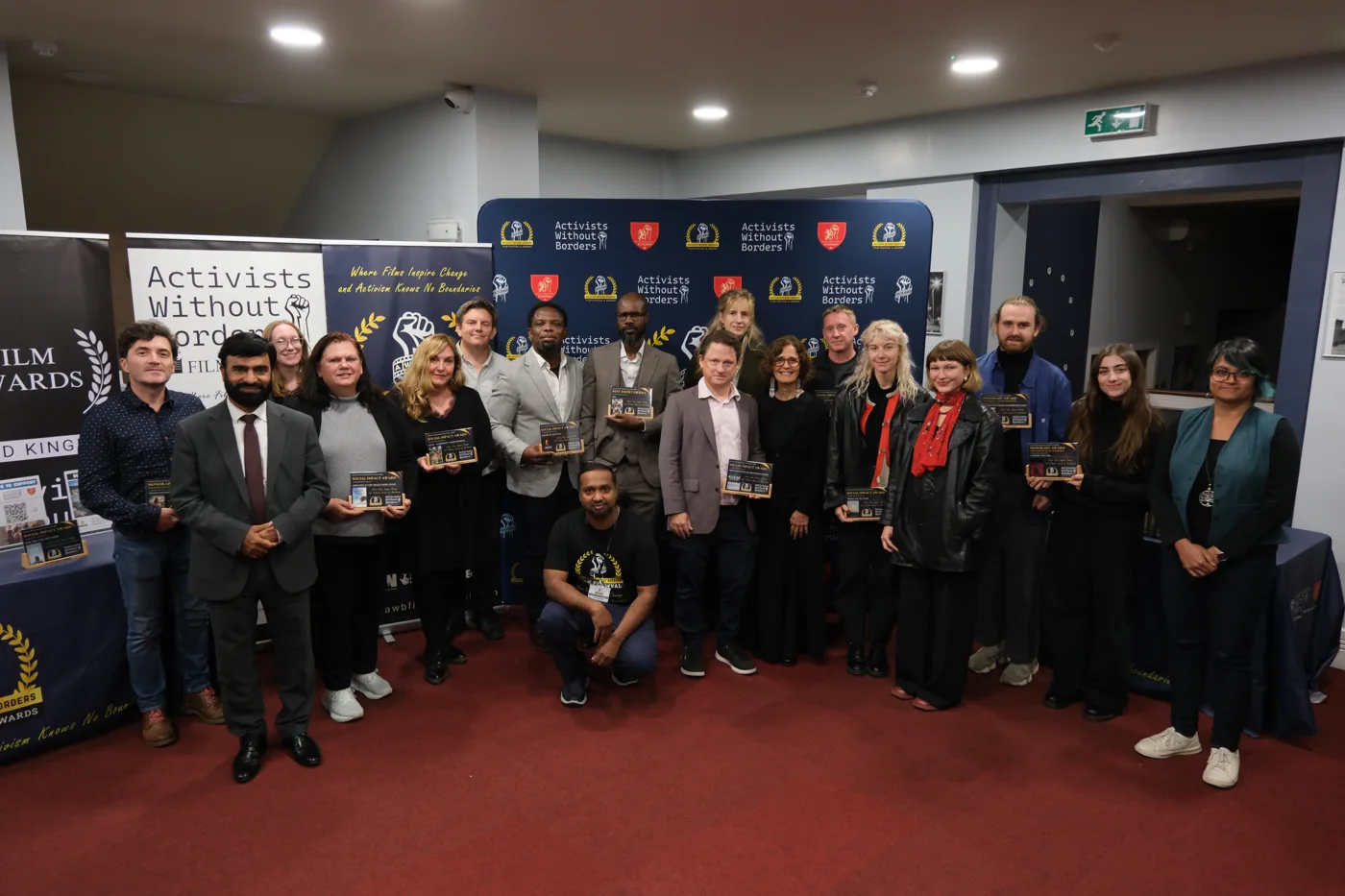

Lifeline: The War on UNRWA won Best Documentary as 23 films, picked from 200-plus entries in 70 countries, screened on Oxford Road and at Broad Street Mall.
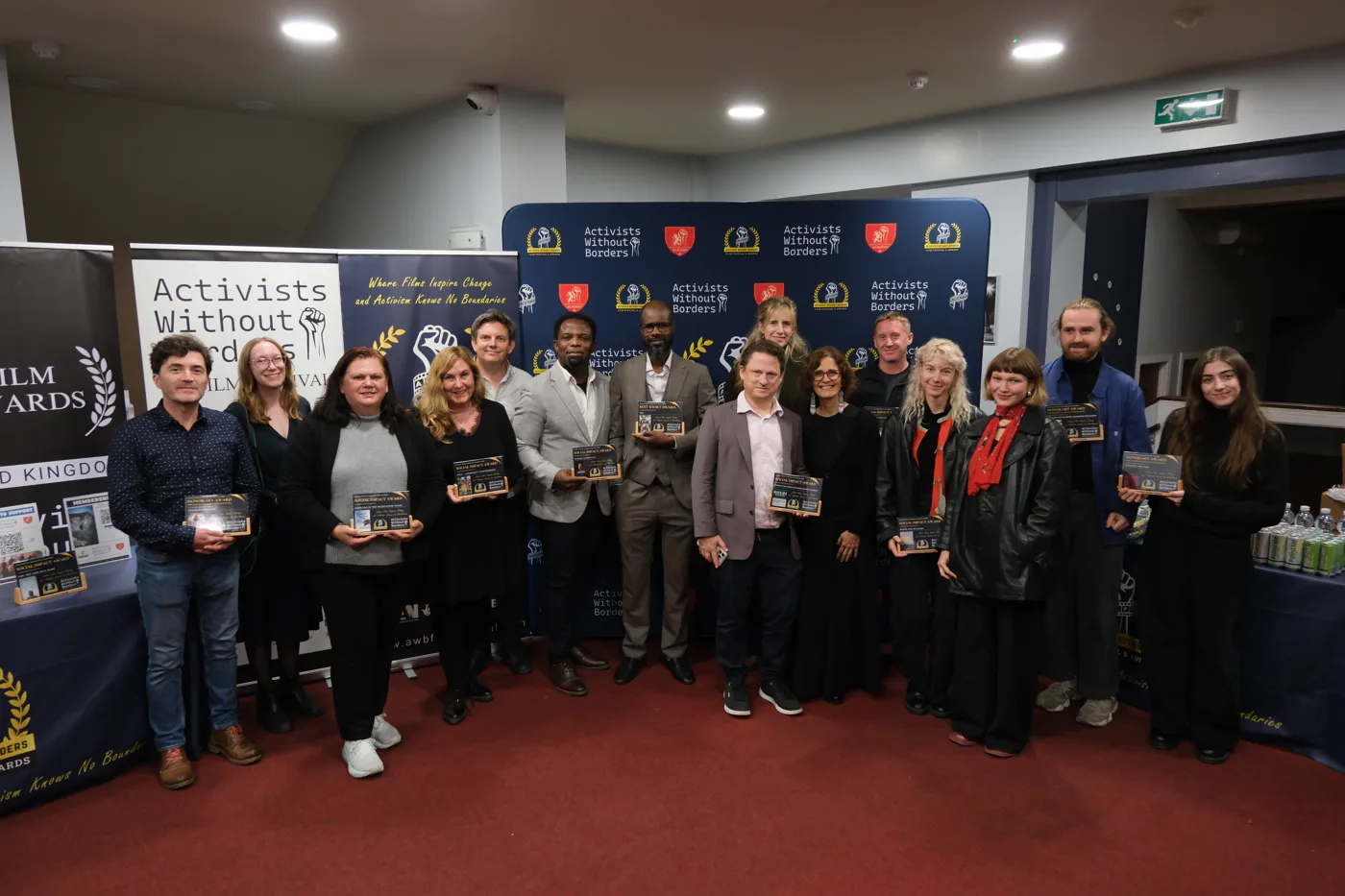
Twenty filmmakers collected awards in Reading on Sunday at the end of the fourth Activists Without Borders Film Festival, a weekend of documentaries and dramas about human rights, climate change and conflict. The festival screened 23 films across six programmes on 10 and 11 October at The Pavilion on Oxford Road and the Reading Biscuit Factory cinema in Broad Street Mall, its organisers said.
The organisers say the festival received just over 200 submissions from 70 countries this year. Filmmakers travelled to Reading from Romania, Ireland, Australia, Spain, Brazil, Canada, Austria and the United States, as well as from across the UK, and the organisers put the weekend’s audience in the hundreds: local residents, activists, students and filmmakers.
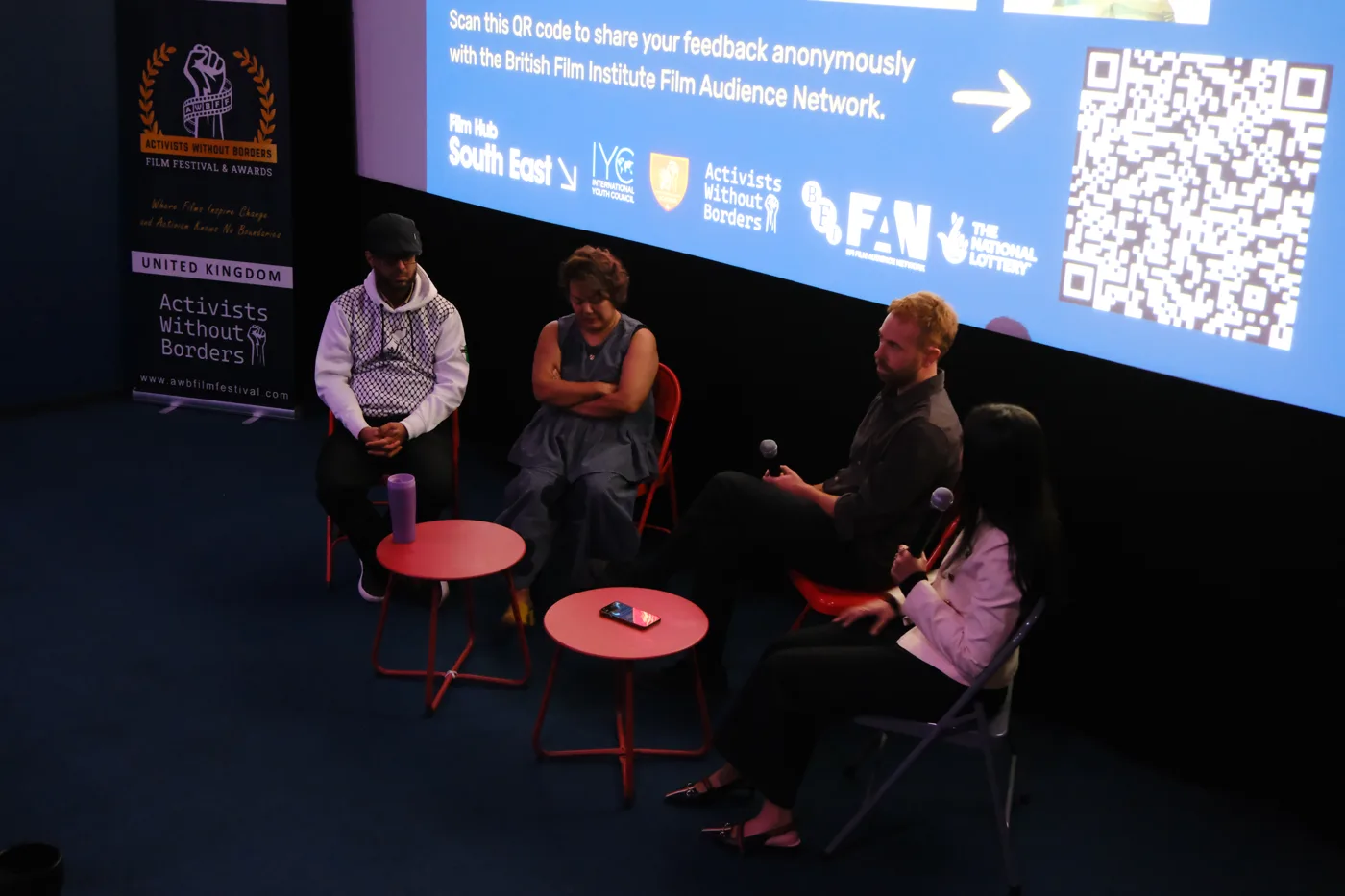
Every screening was followed by a discussion, so audiences could put questions to the people who made the films.
The award winners
The Best Documentary Award went to Lifeline: The War on UNRWA, an investigation into the United Nations agency that supports Palestinian refugees, as it faces funding cuts and what the organisers call “politically motivated attacks”. Its executive producers were also involved in The Voice of Hind Rajab, the Academy Award-nominated film.
It was shown on Sunday morning at the Biscuit Factory alongside Kim: The Long Way Home, a British Red Cross documentary. That film follows Kim and her family’s escape from war-torn Vietnam to Britain in the 1980s, and how exile and hostility shaped what the organisers describe as “a lifelong commitment to justice and compassion”.
A Social Impact Award was presented to Alessandra Sampaio, the wife of journalist Dom Phillips, in recognition of the story behind Missing in the Amazon: The Search for Dom and Bruno. The documentary follows the disappearance of Phillips and the Brazilian Indigenous expert Bruno Pereira in the Amazon, and the efforts of their families to find out what happened. Its director, the BAFTA-winning filmmaker James Rogan, attended the festival.
The other winners named by the organisers:
- Best Animation: All We Have, by the Palestinian filmmakers Mahmoud Ghalwa and Amer Hilehal. The festival programme describes it as a short drama about Dalya and Salem, whose plans to start a family end when Salem is imprisoned indefinitely under military occupation.
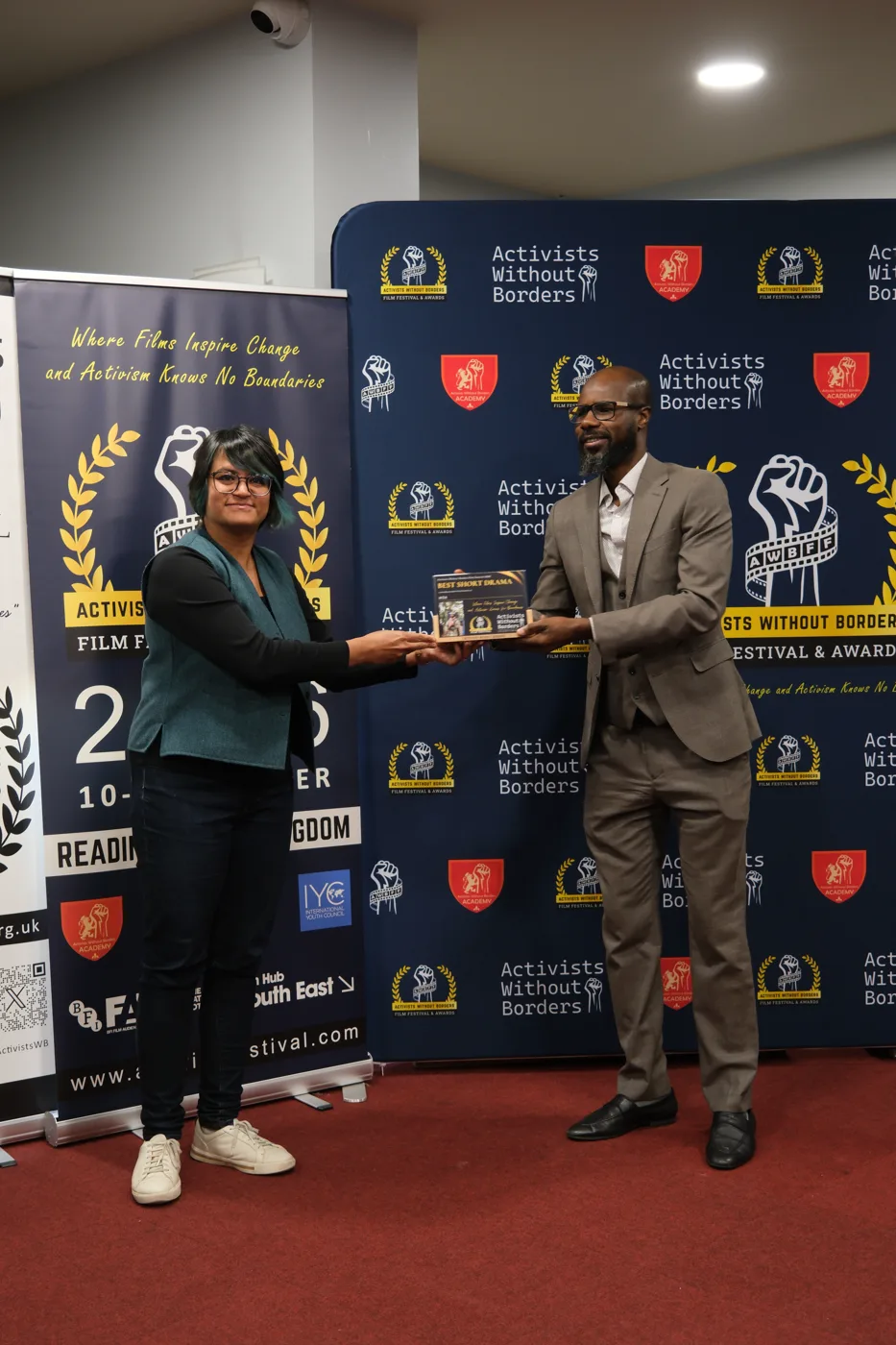
- Best Short Drama: Nur, a film from the Democratic Republic of the Congo produced by Bridgeway Foundation, about a young Congolese man lured into joining the Islamic State.
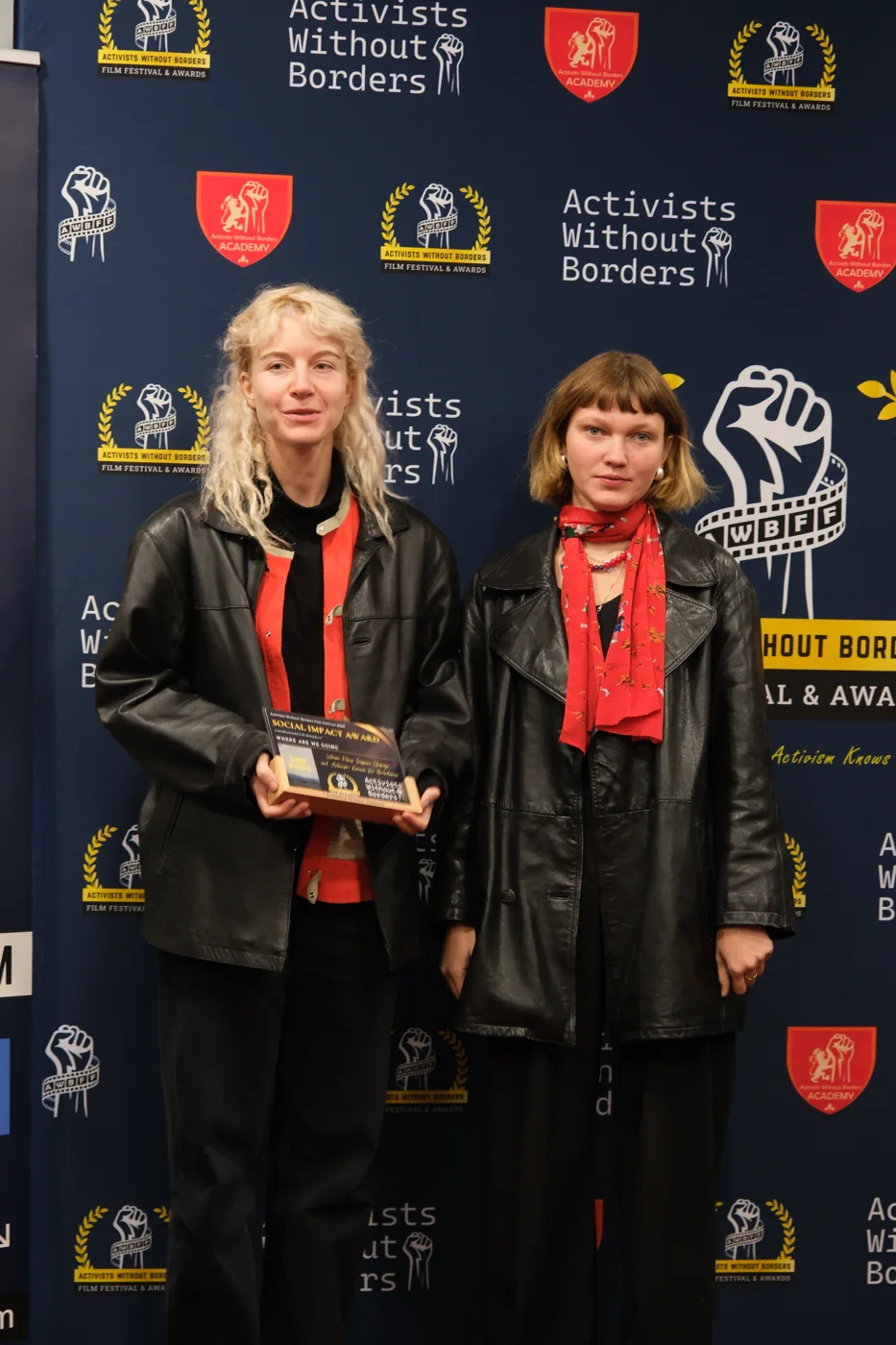
The award plaques in the festival’s own photographs show two more: a Social Impact Award for Where Are We Going, an Austrian film about humanitarian work at the European Union’s external border, and an Honorary Award for Efforts in Social Filmmaking for Fighting the Fire. The full list of winners had not been published on the festival’s page when we checked it on 13 October.
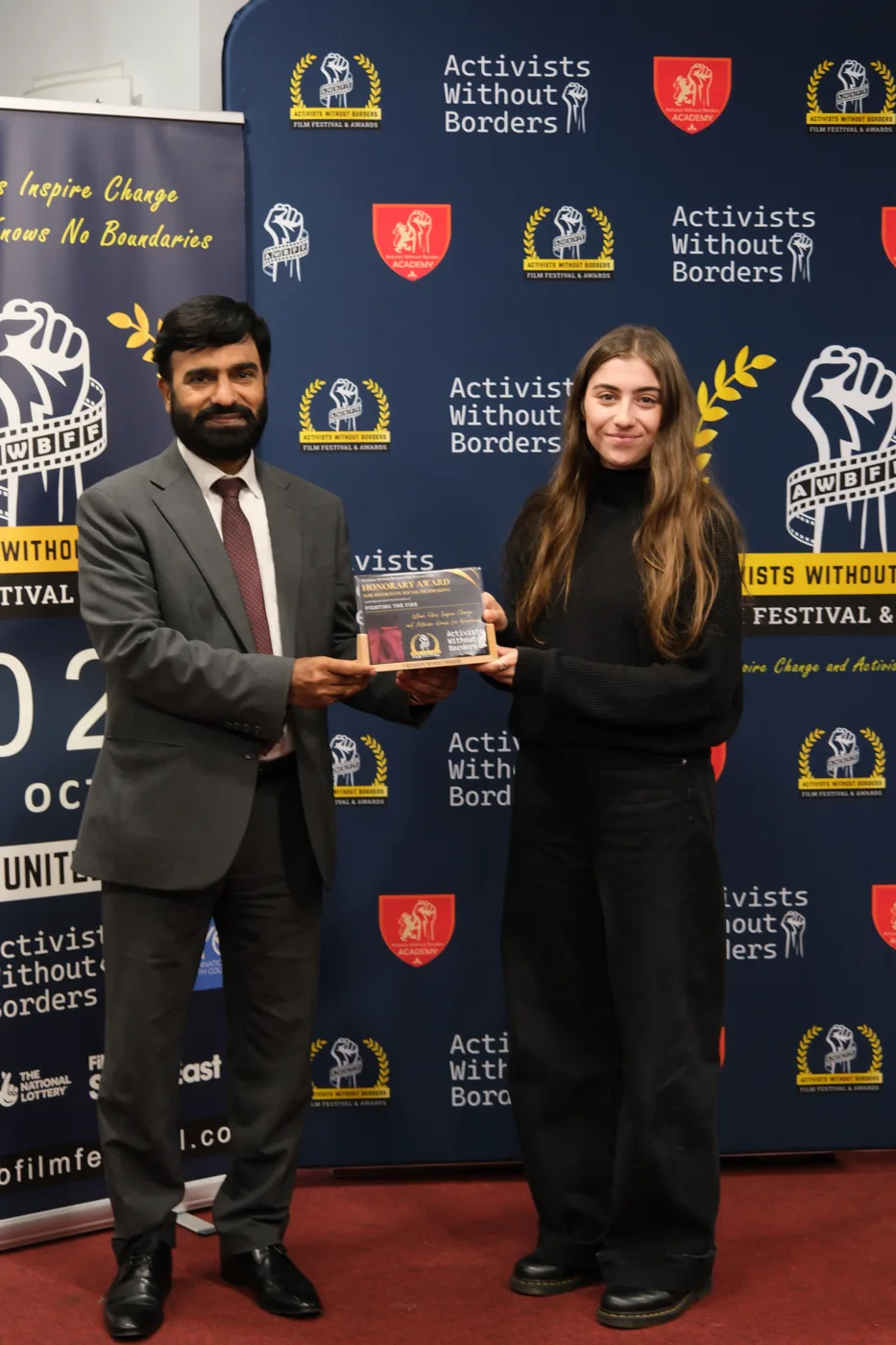
The ceremony was attended by Amjad Tarar, Deputy Mayor of Reading, and Shweta Ghosh, Lecturer in Screen Practices and Industries at the University of Reading, along with community leaders, activists and people from the film industry, the organisers said.
What was on the programme
The six programmes were Changing Perspectives, Memory & Resistance, Climate & Survival, Humanity in Action, Voices for Justice, and Conflict & Survival. According to the festival programme, the films ranged from Crunch Point: Hunger and Hardship in Food Bank Britain, a short animation built on first-hand accounts of why people turn to food banks, and Mum, a short drama about a homeless woman and a runaway, to Not Ours To Carry, which follows three Tigrayan women speaking about sexual violence during the war in Tigray, and Light, a Spanish documentary about a community leader returning to the rainforest.
Festival Director Baazir Kaleelur Rahman said:
“Throughout history, films have changed policies, shifted perspectives and inspired action across the world. At Activists Without Borders Film Festival, we believe in the power of cinema to amplify global issues, give a voice to the unheard and turn stories into catalysts for meaningful change.”
Who runs it
The festival is organised by Activists Without Borders, a UK advocacy and campaigns group that describes its work as protecting human and environmental rights through education and non-violent action. This year’s festival had support from Film Hub South East and the International Youth Council, and funding from the BFI Film Audience Network, which awards National Lottery money.
What it means for you
- Filmmakers: submissions for the 2027 festival open in January 2027, for work on human rights, social justice, the environment and conflict, the organisers say. Details will be on the Activists Without Borders film festival page.
- Film fans: both venues show films all year. The Pavilion at 143-145 Oxford Road has a 300-seat cinema, and the Reading Biscuit Factory in Broad Street Mall has three screens of 98, 58 and 56 seats, according to the festival’s venue listing.
- Got a community event coming up? Send us your news, and see what’s on in Reading this month.
Have your say